
The One-Sentence Rule
If it broke from normal use and age, it's the landlord's problem; if it broke because someone did something to it, it's the tenant's. That's the default assumption most leases lean on, even when they don't spell it out word for word.
But — and this is where most arguments start — the lease itself always wins. If your lease has a line about garage doors, openers, or "tenant-maintained equipment," that language overrides the general rule. Read it before you argue about it.
What Usually Falls on the Landlord
These are mechanical and structural failures that happen on their own, over time, regardless of who's living there:
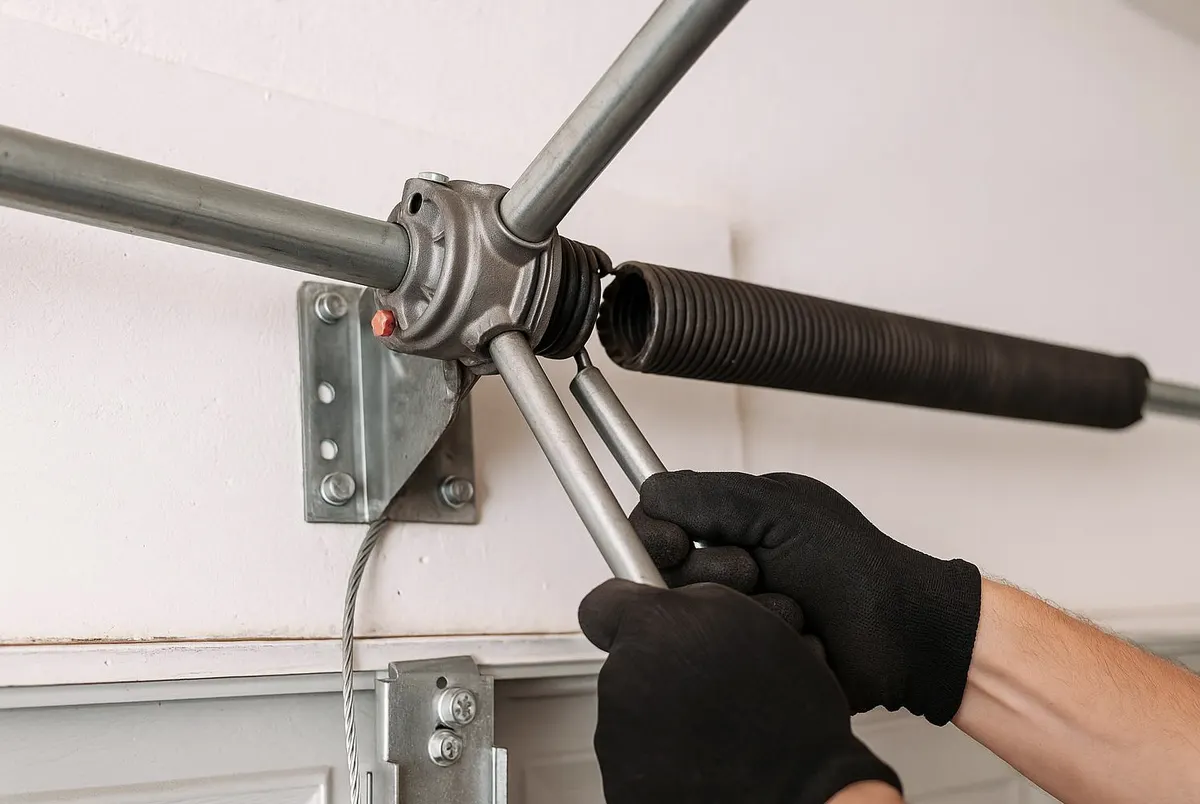
- Broken springs — torsion and extension springs wear out from cycle count, not misuse. A spring snapping after years of normal openings and closings is wear and tear.
- Cable fraying or drum failure — same logic as springs. These are consumable parts with a lifespan.
- Opener motor burnout — if the opener just dies after years of service, that's age, not abuse.
- Rust and corrosion from salt air — if the property sits close enough to the coast that hardware is corroding on its own, that's an environmental/maintenance issue the landlord owns.
- Panel warping from humidity swelling — wood or composite panels that swell and stick in our humidity are a materials/maintenance issue, not tenant negligence.
- Storm-related structural damage, assuming the door was installed to proper wind-load specs in the first place. If the door failed because it wasn't rated correctly for wind-load, that's on whoever installed it — usually the landlord's responsibility to fix.
What Usually Falls on the Tenant
These are failures tied to specific actions or neglect:
- Impact damage — backed a car into the door, hit it with a bike rack, cracked a panel moving furniture. That's on whoever caused it.
- Off-track doors from forcing a stuck door — if the door jammed and someone kept pushing the opener button or yanked it manually instead of stopping, the resulting off-track damage is usually tenant-caused.
- Neglect that causes bigger failures — ignoring a squealing, grinding, or slow-closing door for months until a component fails completely can shift liability to the tenant, especially if the lease requires reporting issues promptly.
- Anything the tenant installed — smart openers, keypads, extra remotes someone added after move-in. Fixing or removing those is typically on the person who added them, unless the lease says otherwise.
- Dead batteries, lost remotes, lockouts — small stuff, but it's almost always a tenant cost.
The Gray Zone (Where the Real Arguments Happen)
Two situations cause most of the back-and-forth:
"It just stopped working." If a tenant can't say why it stopped, and there's no visible impact damage, the default usually favors "wear and tear" — landlord's problem. Sudden spring failure after years of use is the classic example.
Delayed reporting. Many leases make tenants responsible for damage that got worse because they didn't report it. A door that was dragging and noisy for three months before it finally came off track is a different conversation than one that failed with no warning.
What to Inspect at Move-In (Before You Sign Anything)
A five-minute walkthrough saves a lot of disputes later. Test and photograph:
- Opener response — test every remote, wall button, and keypad
- Manual release cord — make sure it disengages and re-engages properly
- Photo-eye sensors — door should reverse when you wave something in front of them
- Tracks — check for visible bends, rust, or misalignment
- Panels — note any existing dents, cracks, or rust spots, especially near the bottom where moisture collects
- Weatherstripping — look for gaps, cracking, or water staining underneath
- Springs and cables — visible rust or fraying should be documented now, not discovered later
- Wind-load rating sticker or installation label, if visible — useful to have on record given our storm season
Take dated photos of all of it and send them to the landlord or property manager in writing. That record is what settles disputes six months from now when nobody remembers what the door looked like on day one.
When to Call Palm Beach Gardens Overhead Door Co
If you're a landlord trying to document a door's condition before new tenants move in, or a tenant trying to get an independent read on whether something's wear-and-tear or damage, our Garage Door Maintenance & Tune-Up service gives you a written inspection you can hand to either party. If the dispute is already past the inspection stage — say, a door that's come off its tracks or a spring that's let go — our Off Track Door Repair and Garage Door Spring Repair crews can get it moving safely again and give you a plain read on what caused the failure.
If you're sorting out a move-in inspection or need a repair settled fast in Palm Beach Gardens, FL, call Palm Beach Gardens Overhead Door Co — we'll show up, take a real look, and tell you straight what you're dealing with.